
Portsmouth ownership background, Michael Eisner profile and takeover details
The Tornante Company officially took control of Portsmouth on 3 August 2017 after buying the club from the Pompey Supporters’ Trust shortly after promotion back to League One had been secured.
The Pompey Supporters’ Trust had previously made Portsmouth a fan-owned club in April 2013 during a difficult financial period that followed administration, winding-up threats and serious uncertainty over the club’s future.
Since then, Tornante, led by the Eisner family, have invested in Fratton Park, the Copnor Road training base and broader club infrastructure while overseeing Portsmouth’s climb from League One back into the Championship.
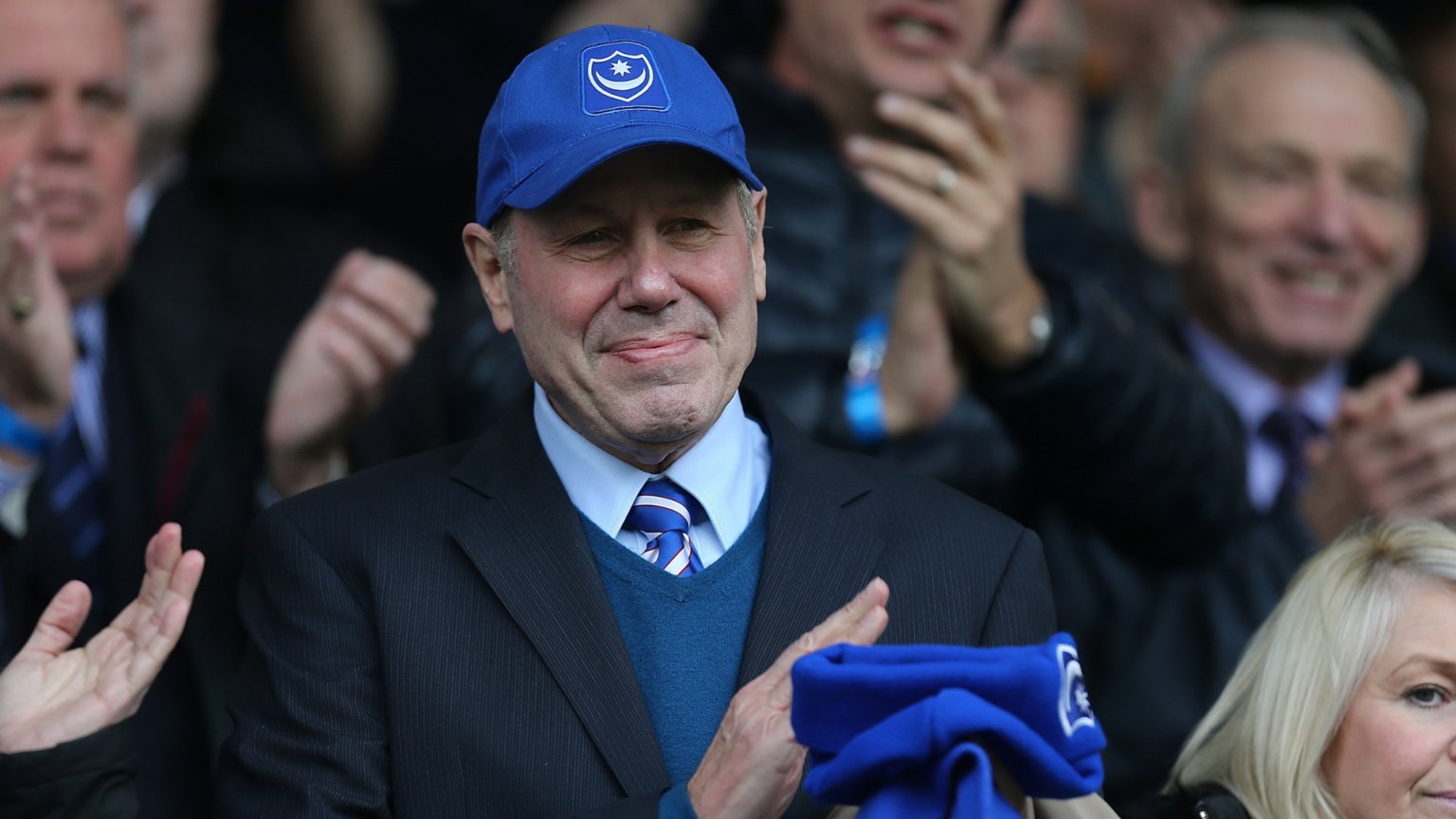
Michael Eisner has overseen Portsmouth returning to the Championship.
Eisner was born in New York in 1942 and has gone on to become one of the best-known business figures in the United States. He is the named owner of Portsmouth, working alongside his son Eric.
The most significant spell of his career came during his 21 years as chairman and chief executive of The Walt Disney Company between 1984 and 2005.
Among the best-known projects associated with Eisner’s time at Disney were the expansion of Disney theme parks around the world, including Euro Disney in Paris.
Portsmouth were purchased by Eisner and his investment group for £5.67 million ahead of the 2017-18 campaign, following several years of financial instability before the club was steadied by the Pompey Supporters’ Trust.
Eisner had entered an exclusivity agreement with the fan-owned group in March 2017, with the full takeover being completed five months later.
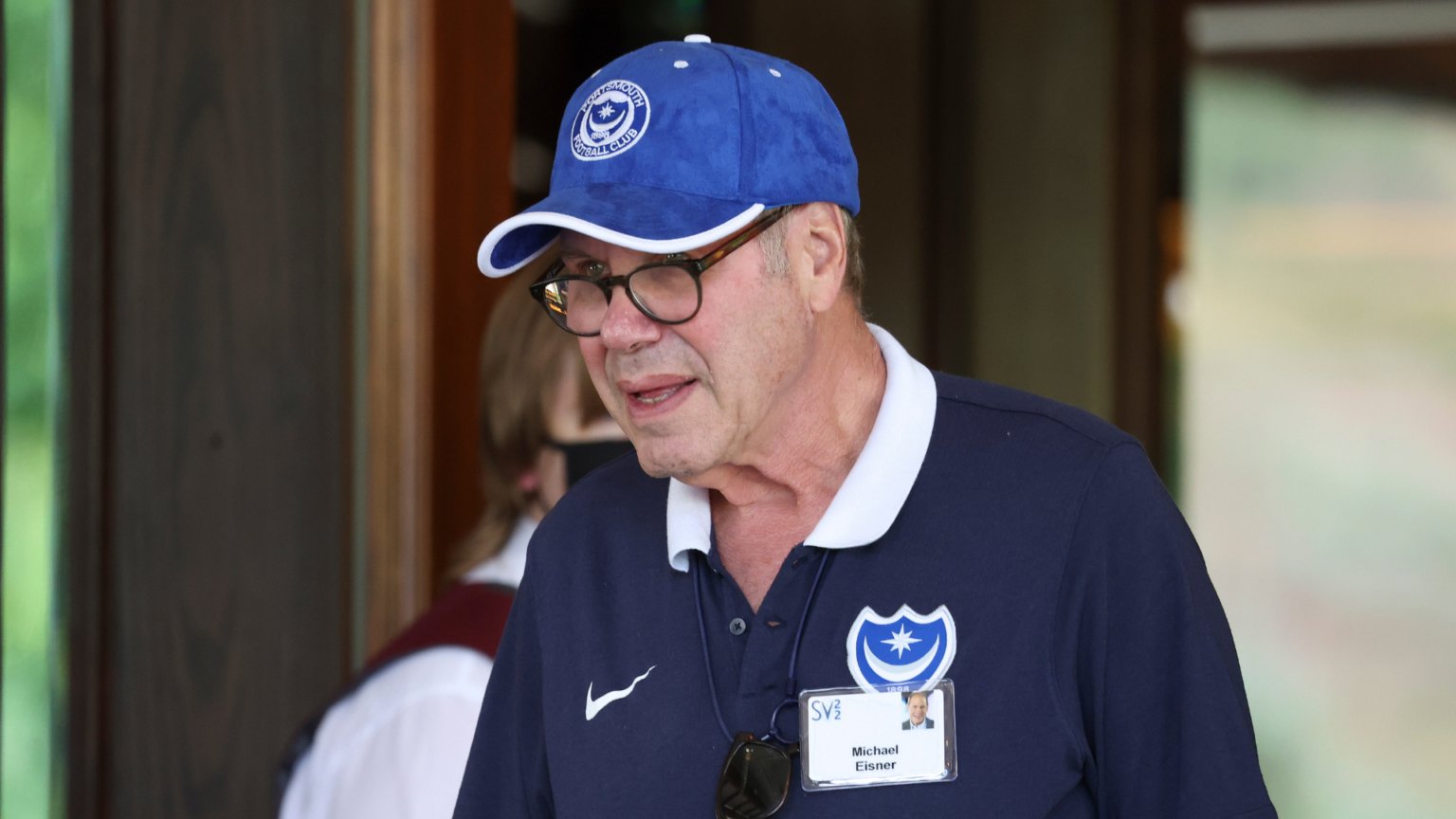
Michael Eisner has overseen Portsmouth returning to the Championship.
Eisner’s net worth has been estimated at more than $1 billion, placing him among the wealthiest owners connected to clubs outside the Premier League.
Although Portsmouth have not received parachute money of the type some Championship rivals have relied upon, the ownership group has continued to put money into infrastructure and improvements around the club.
That approach has focused less on reckless spending and more on long-term development, including facilities and the overall matchday experience for supporters.