
Fratton Park history, stands, notable matches and travel information
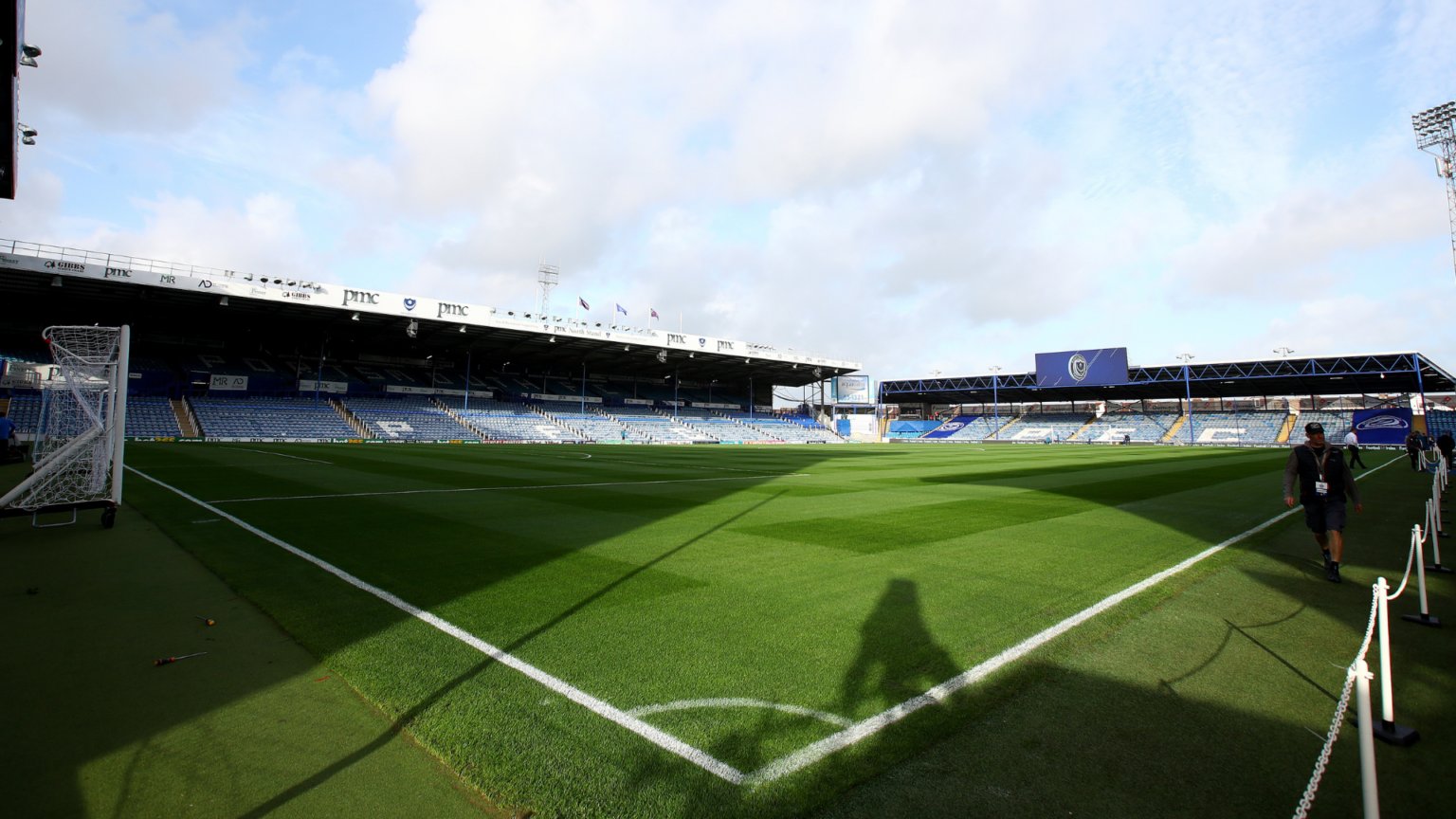
Fratton Park has been the home of Portsmouth Football Club for a period spanning across three centuries, having been built in 1899 by locally-based architect Alfred J Bone.
The stadium site is actually based not in Fratton but the neighbouring area on Portsea Island of Milton, named such to persuade supporters that the stadium was close to Fratton railway station.
On 6 September 1899, Portsmouth hosted their first unofficial match at Fratton Park with now-bitter rivals Southampton, a 2-0 friendly win, before a 2-0 league win against Reading three days later in front of 9,000 fans.
The stadium has been renovated a total of 17 times and counting, with ongoing works designed to make the matchday experience safer, more efficient and more vibrant for supporters.
The capacity of Fratton Park has varied based on the introduction of numerous safety reports, often following tragic disasters around the country involving fans. The largest crowd to have attended the stadium in a standing capacity is 51,385, when Pompey hosted Derby County in February 1949. The record all-seater crowd has been a sold-out 20,821, when Tottenham Hotspur visited in a Premier League match in 2009.
Fratton has also been famous for hosting a match at the 1948 London Olympics, one of just two venues outside the capital to host a game between the Republic of Ireland and the Netherlands. It also laid on the first-ever floodlit English match, when Newcastle United were Pompey’s opponents in 1956.
Portsmouth’s pride and joy has now been hosting football for over 125 years, making it one of the most iconic stadiums in English football history.
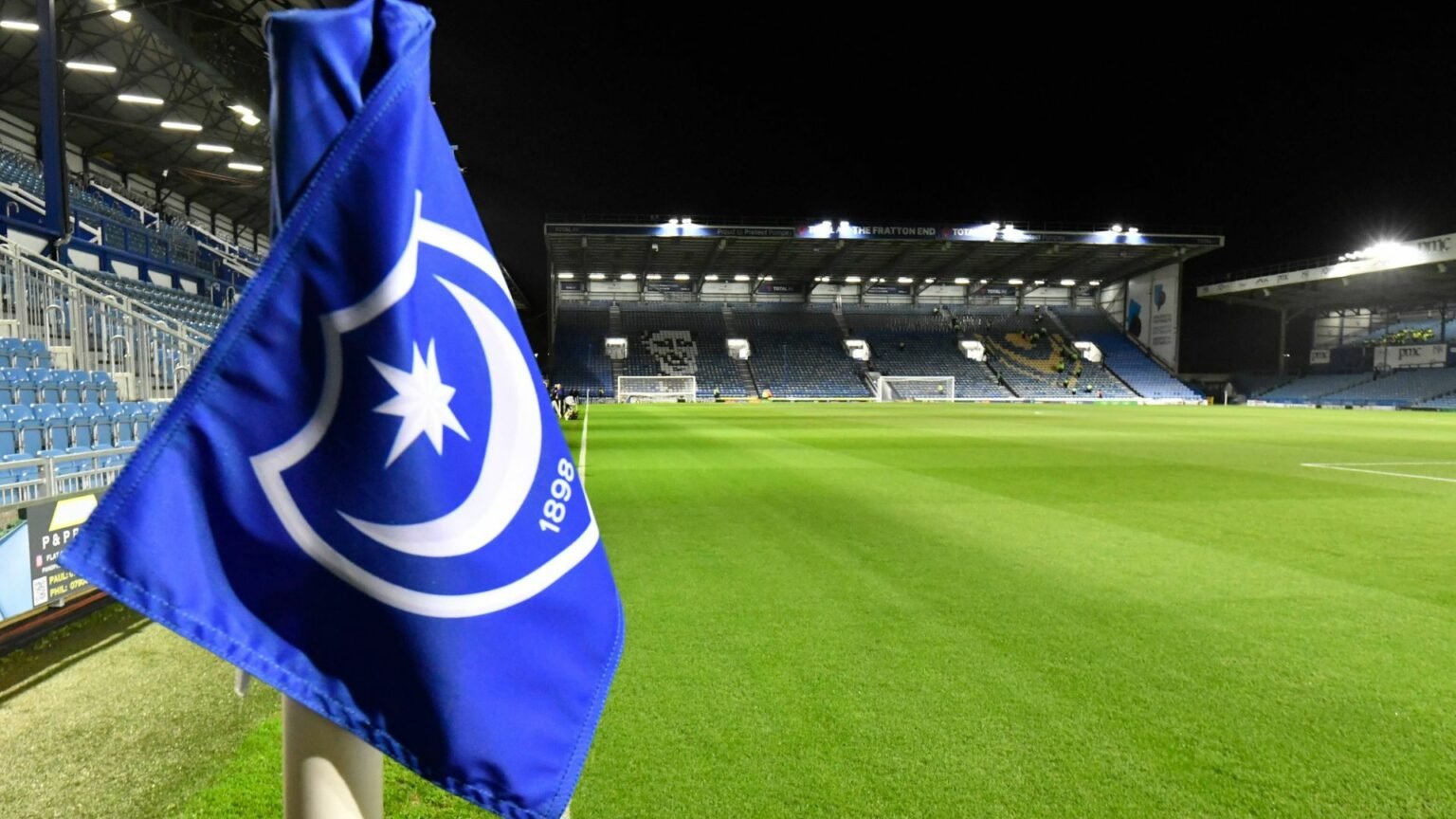
Opened (in current mould): 1997
Fans: Home fans
Capacity: 4,700 (all seated with rail seats at top)
Opened: 1899
Fans: Home and away fans
Capacity: 3,196 (rail seats)
Opened: 1925
Fans: Home fans, VIP and directors, player dressing rooms and TV/press gantry
Capacity: 4,856 (all seated)
Opened: 1935
Fans: Home fans
Capacity: 8,147 (all seated)
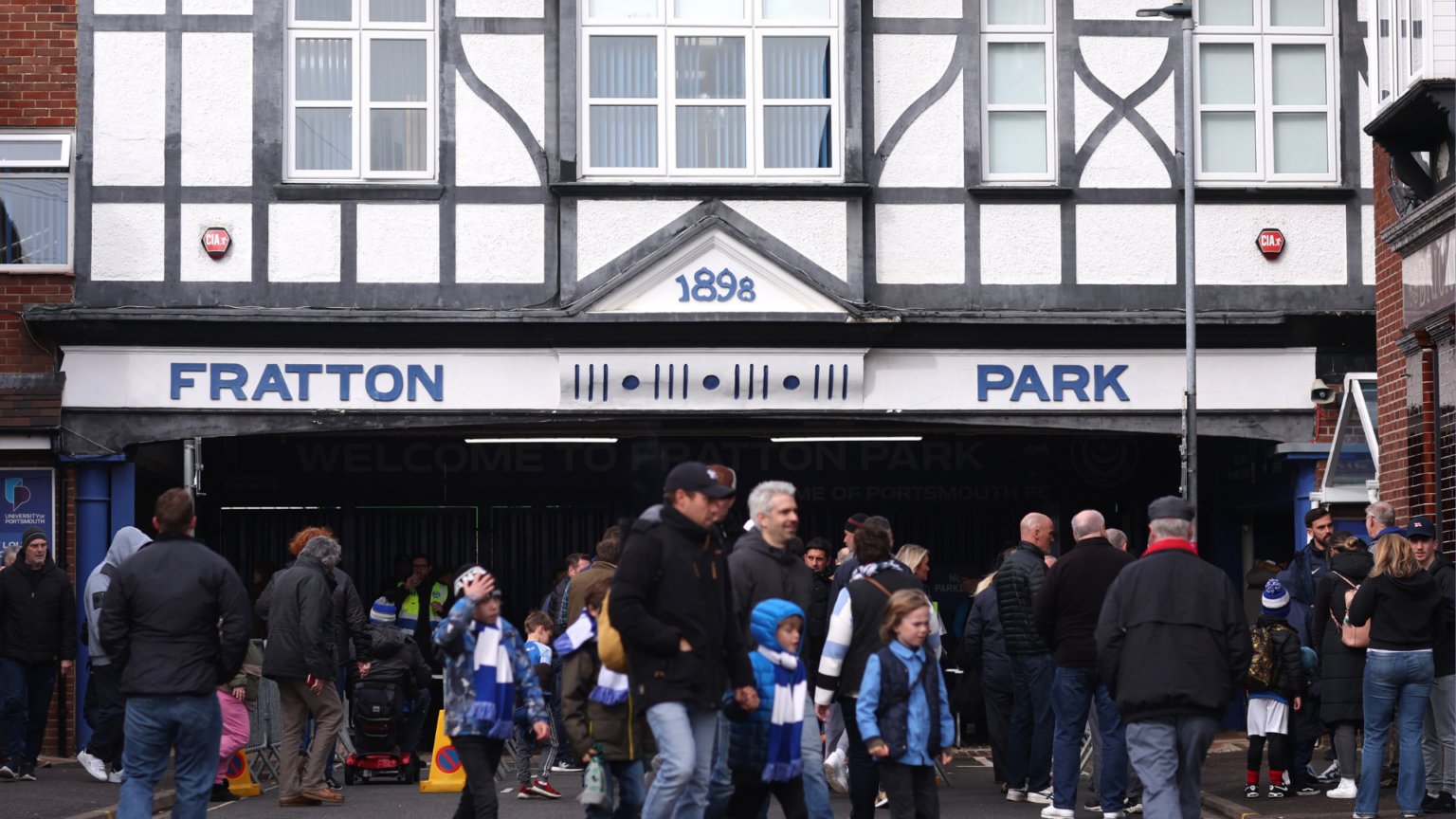
While traffic and parking can be notorious in such a densely populated city as Portsmouth, it is reachable by car – Portsea Island is easily accessed by the A3, and signs can be followed for Milton or Southsea.
Parking is available at nearby schools and street parking can be available for a fee, as well as electric charging ports. Supporters are advised to arrive especially early to secure a parking space on matchdays.
The most efficient way to reach Fratton Park is by rail. South Western Railway, Southern and Great Western Railway all run regular services to Fratton from cities such as London, Southampton, Brighton, Salisbury, Bath, Bristol and Cardiff. The stadium is a 10-minute walk directly down Goldsmith Avenue from Fratton station.
Stopping services arrive at Fratton extremely regularly from Portsmouth Harbour, Portsmouth & Southsea, Hilsea, Cosham, Fareham, Havant, Petersfield and stations based closer to Southampton.
First Bus runs the number 1 and 2 routes which stop close to Fratton Park. Alight the number 1 service at Frensham Road or Shepherds Crook; alight the number 2 at Velder Avenue. All are a five-minute walk from the stadium.